Landscaping

Cool your home from the outside in

Strategic shade, drought-tolerant plants, and water-smart design that reduces both your power bill and your water bill.

Why homeowners choose us

What you get

Shade where it matters

We place shade trees and structures to block the harshest west-facing afternoon sun — the single biggest driver of cooling costs.

Low water, low maintenance

California-native and drought-tolerant plants that survive on minimal irrigation once established.

Smart irrigation

Drip systems and weather-aware controllers cut water use by 40–60% versus traditional sprinkler setups.

Pairs with solar

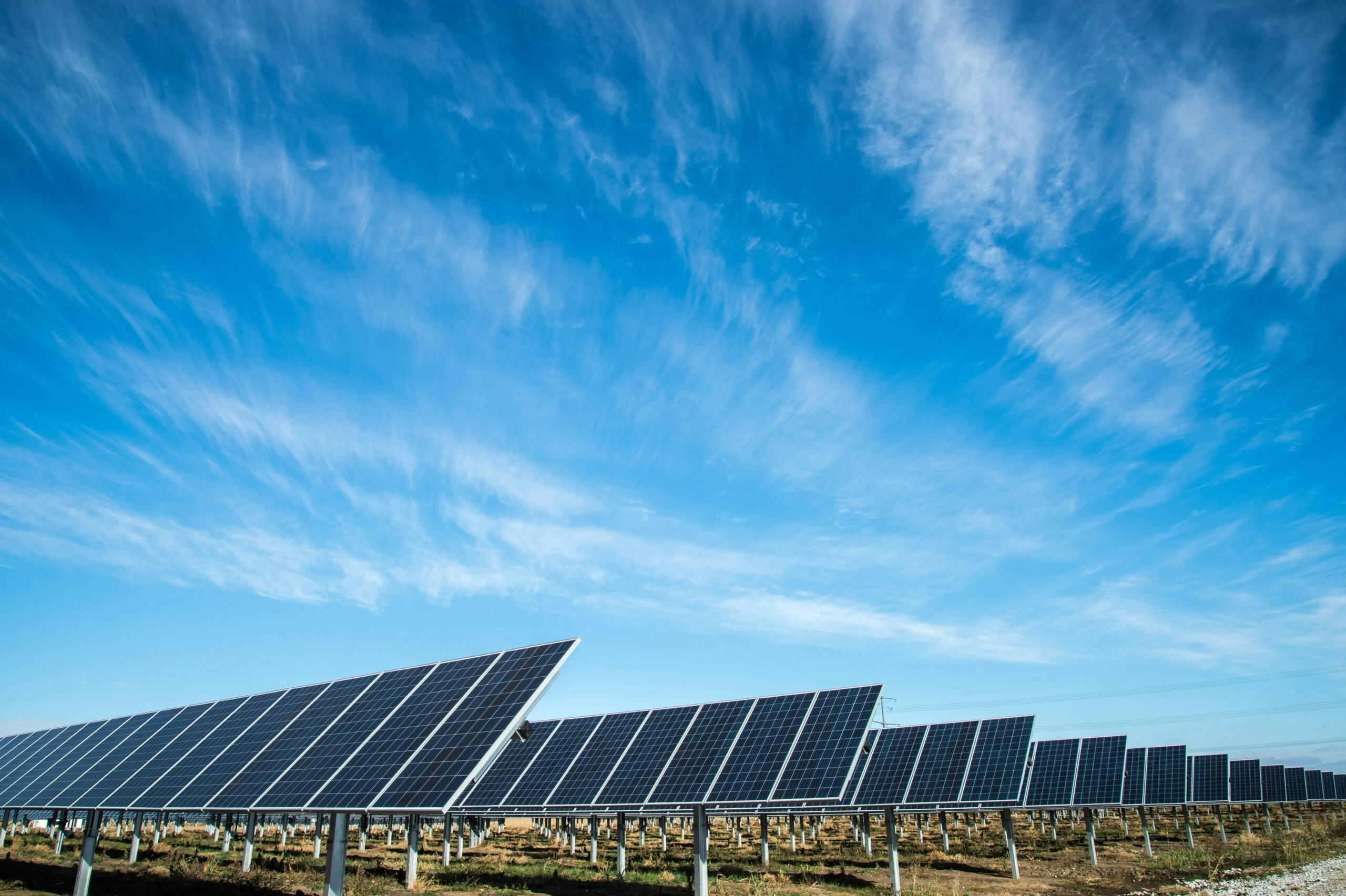
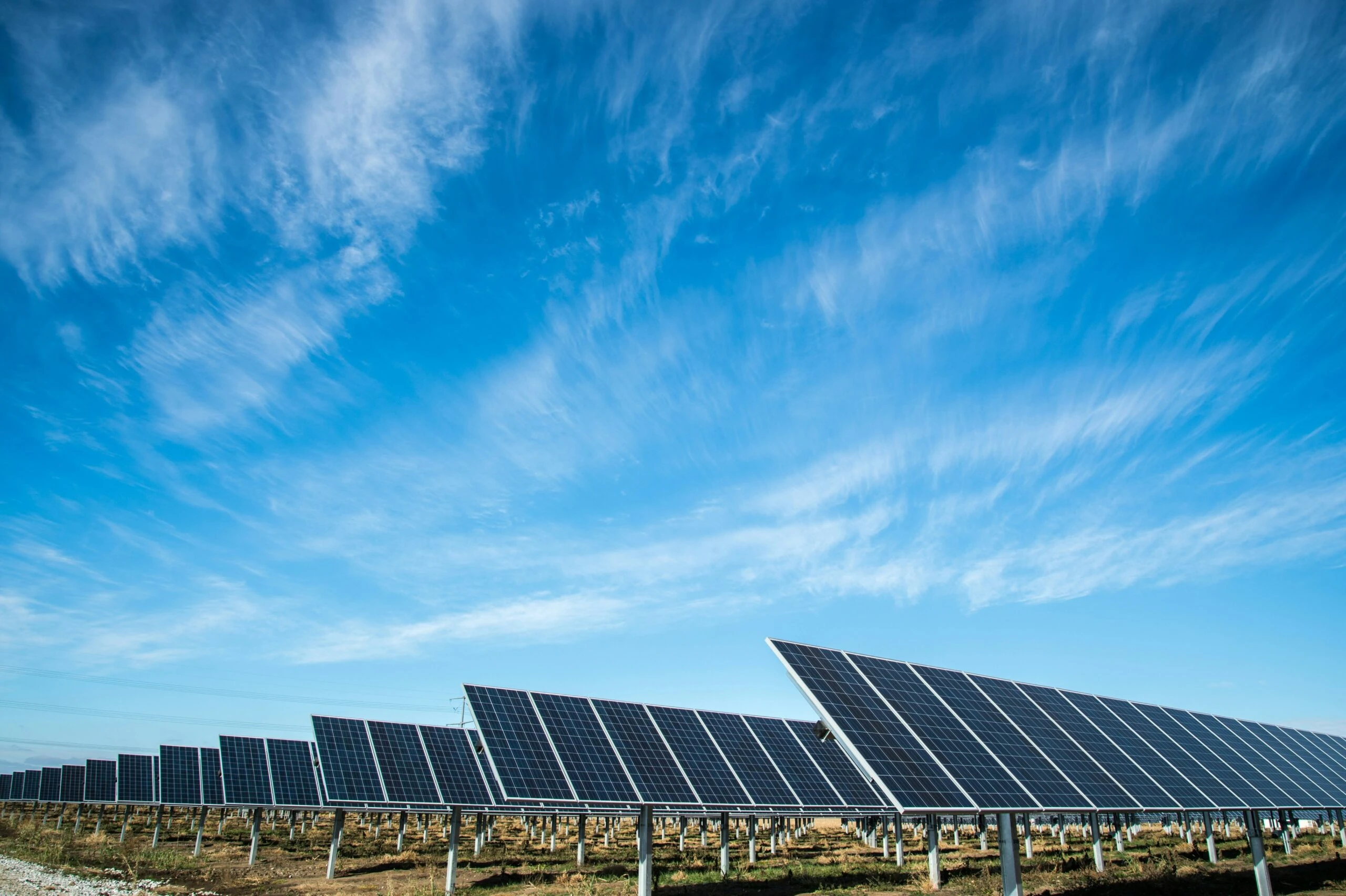
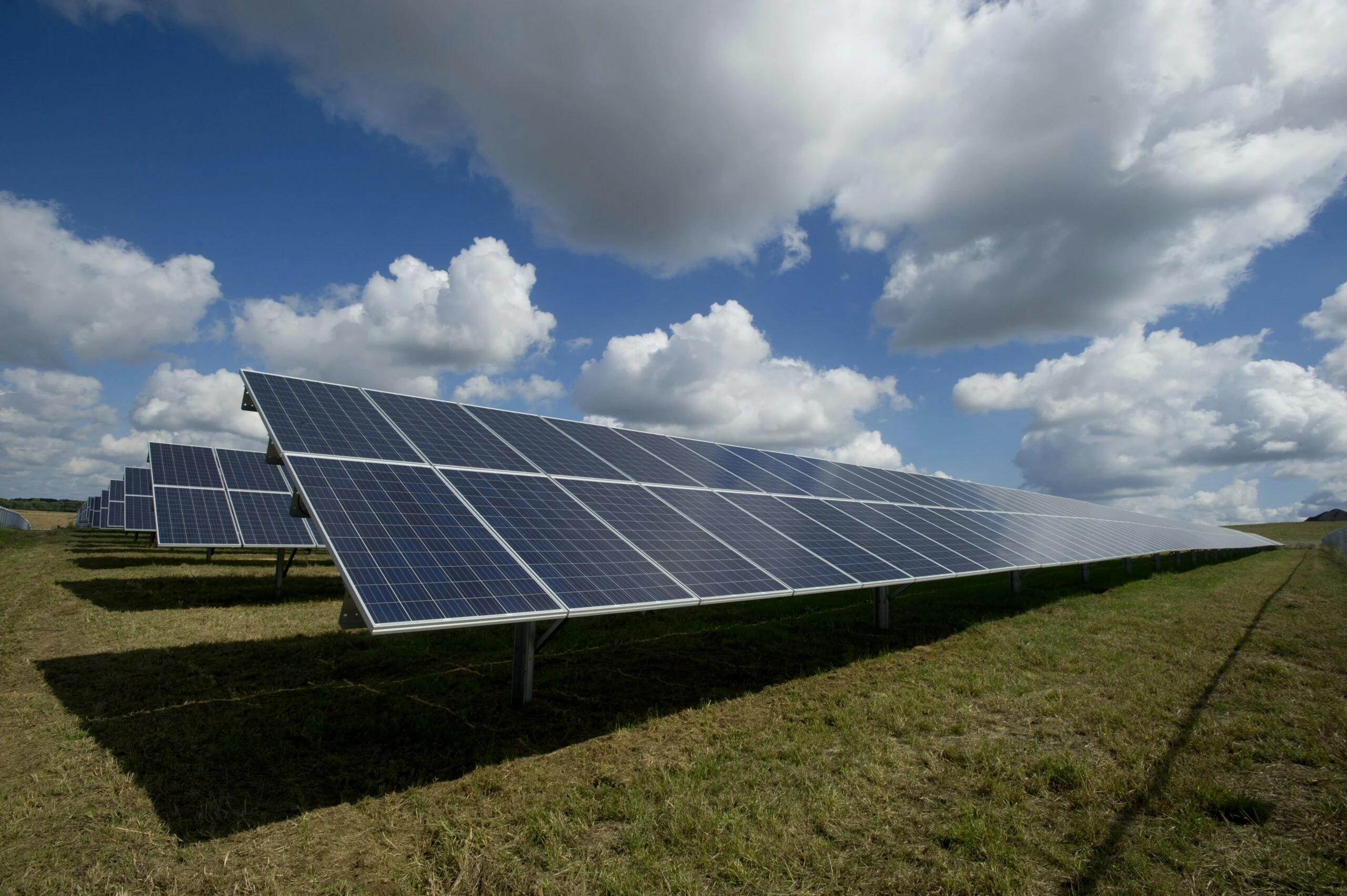
We design around your solar panels — no shading the array, no compromising production.

How it works

Our process

01

Site walk

We assess sun exposure, soil, drainage, and your existing landscape.

02

Design

You see the plan — plant choices, shade placement, irrigation layout.

03

Installation

Plants, irrigation, hardscape — installed and warranted.

04

Establishment care

We check in during the first season to make sure plants take.

Common questions

Energy-Efficient Landscaping FAQs

Will landscaping shade my solar panels?

No — we design around your panels. If you have or plan to have solar, we map sun paths first and place trees and shade structures so they cool the house without ever shading the array. It’s a non-negotiable design constraint for us.

How much can energy-efficient landscaping reduce my power bill?

Strategic shade on west- and south-facing walls can cut summer cooling costs by 15–25% in Central Valley climates. Mature shade trees on the west side of a home can reduce attic temperatures by 10–20°F. Exact savings depend on your home’s orientation, insulation, and HVAC efficiency.

What plants do you use for California yards?

Drought-tolerant California natives (manzanita, ceanothus, salvia, native oaks) and Mediterranean-climate plants (rosemary, lavender, olive, fruitless olive). They thrive in Central Valley summers with minimal irrigation once established. We avoid thirsty turf and tropicals.

How much water does a drought-tolerant landscape really save?

Replacing turf with drought-tolerant plants and drip irrigation typically cuts outdoor water use by 50–70%. In Bakersfield where water rates have been rising, that adds up to meaningful annual savings on top of the cooling-cost reduction.

Are there rebates for replacing my lawn?

Often yes. Many California water districts (including some in Kern, Ventura, and SLO counties) offer turf-replacement rebates of $1–$3 per square foot. We help check current programs and file the paperwork during your project.

Do you handle hardscape too?

Yes — patios, walkways, decomposed granite paths, dry creek beds, and shade structures (pergolas, sail shades, trellises) are all part of how we cool the home from the outside in. Hardscape and plants work together.

How long until my new landscape is established?

Most drought-tolerant plants need 1–2 growing seasons of regular watering to establish deep roots. After that, they survive on minimal irrigation. We provide a watering schedule and check in during the first season to make sure plants take.

Can you install smart irrigation with my existing system?

Yes. We can swap your existing controller for a weather-aware smart controller (Rachio, Hydrawise, or similar) that pulls local weather data and skips watering on cool or rainy days. Drip conversions on existing sprinkler lines are also straightforward.

Will shade trees damage my foundation or sewer lines?

Not when species and placement are chosen correctly. We avoid aggressive-rooted species (some willows, certain ficus) near foundations and sewer laterals, and recommend deep-rooted natives that don’t surface-root. Bad species choice is the most common landscape mistake we fix.

How does landscaping fit with a future solar install?

If you’re planning solar in the next few years, tell us up front. We’ll plan plantings and tree heights so your future array stays clear, and we can pre-plan shade structures (like a solar-ready pergola) to prepare for an EV charger or backup battery enclosure.

Learn more

Energy-Efficient Landscaping — guides & resources

Hand-picked articles for homeowners researching energy-efficient landscaping in California.

Serving Bakersfield & Kern County& beyond

Free estimate, zero pressure. Talk to a real local expert today.

Contact Us

Fill out the form below and we’ll get back to you within 24 hours.

Contact Us Form