

From Sunlight to Electricity
Solar panels might look like magic, but the science behind them is straightforward. Here’s how your rooftop panels turn California sunshine into power for your home.
The Photovoltaic Effect
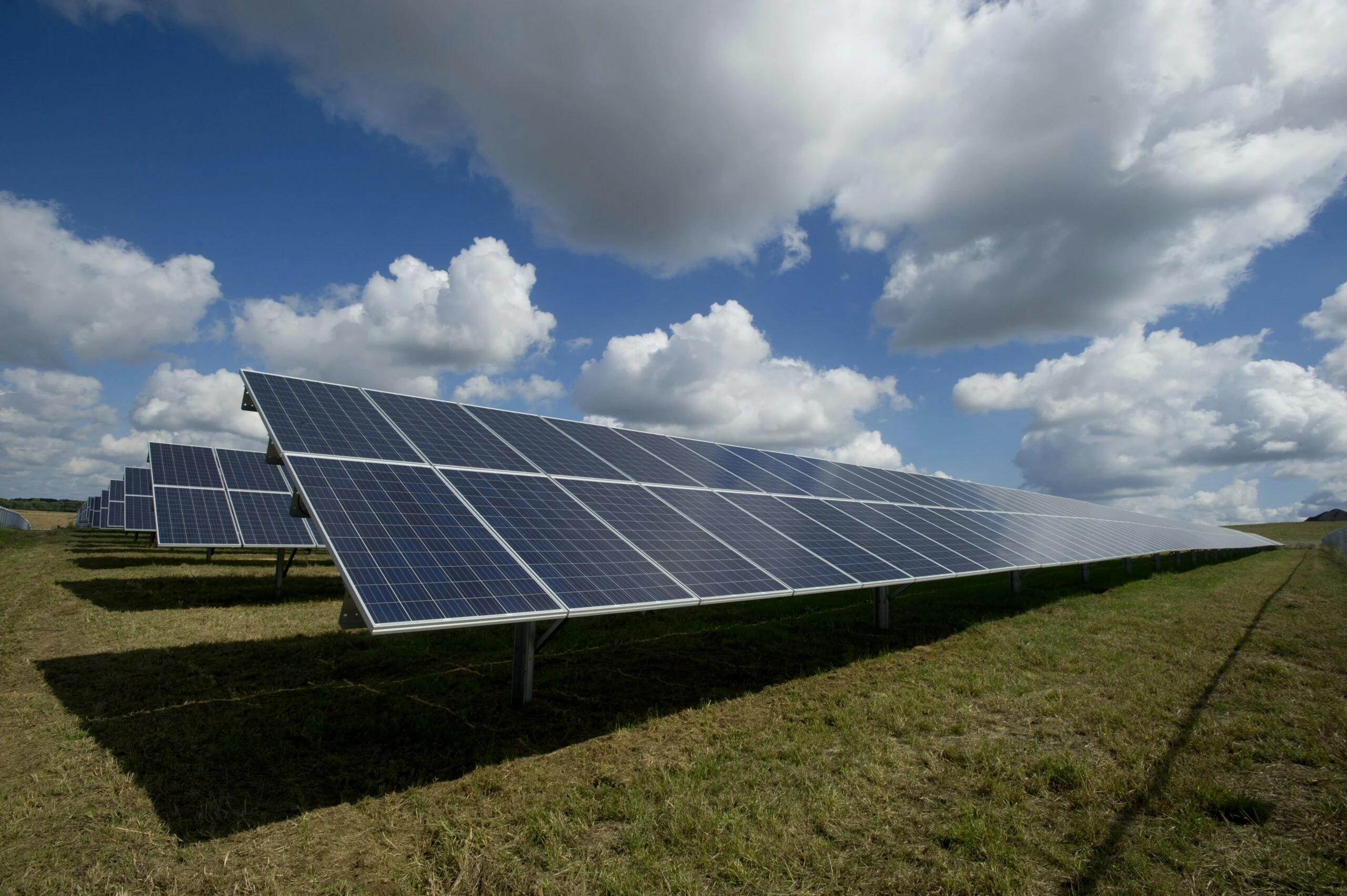
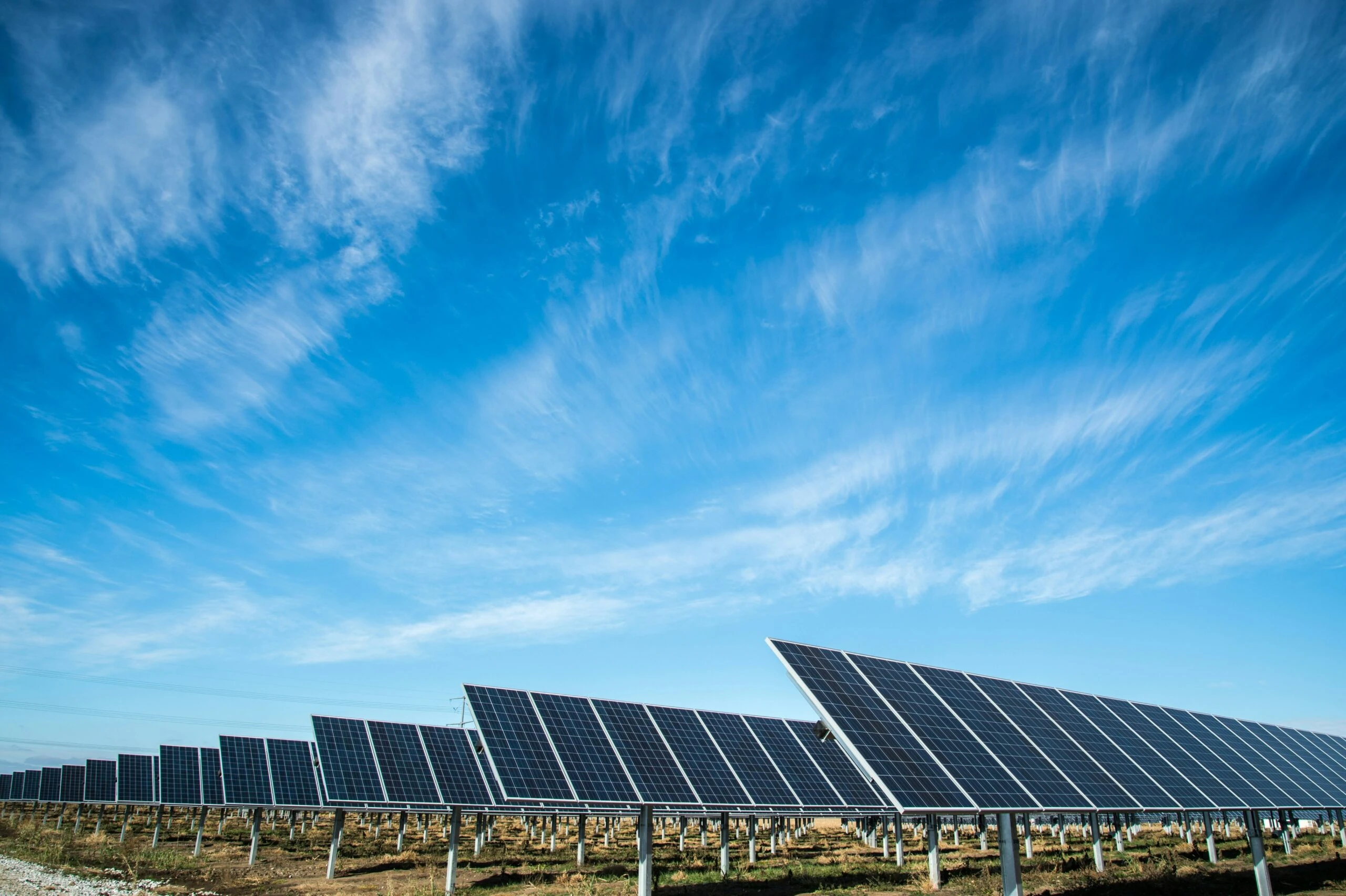
Solar panels are made up of photovoltaic (PV) cells — typically made from silicon. When sunlight hits these cells:
- Photons (light particles) knock electrons loose from silicon atoms
- An electric field in the cell pushes these electrons in one direction
- This flow of electrons creates direct current (DC) electricity
From DC to AC: The Inverter
Your home appliances run on alternating current (AC), but solar panels produce DC. That’s where the inverter comes in:
- String inverters — One central inverter for the whole system
- Microinverters — Individual inverters on each panel (better for shading)
- Power optimizers — A hybrid approach combining benefits of both
Net Metering: Your Electric Meter Spins Backward
When your panels produce more electricity than you use:
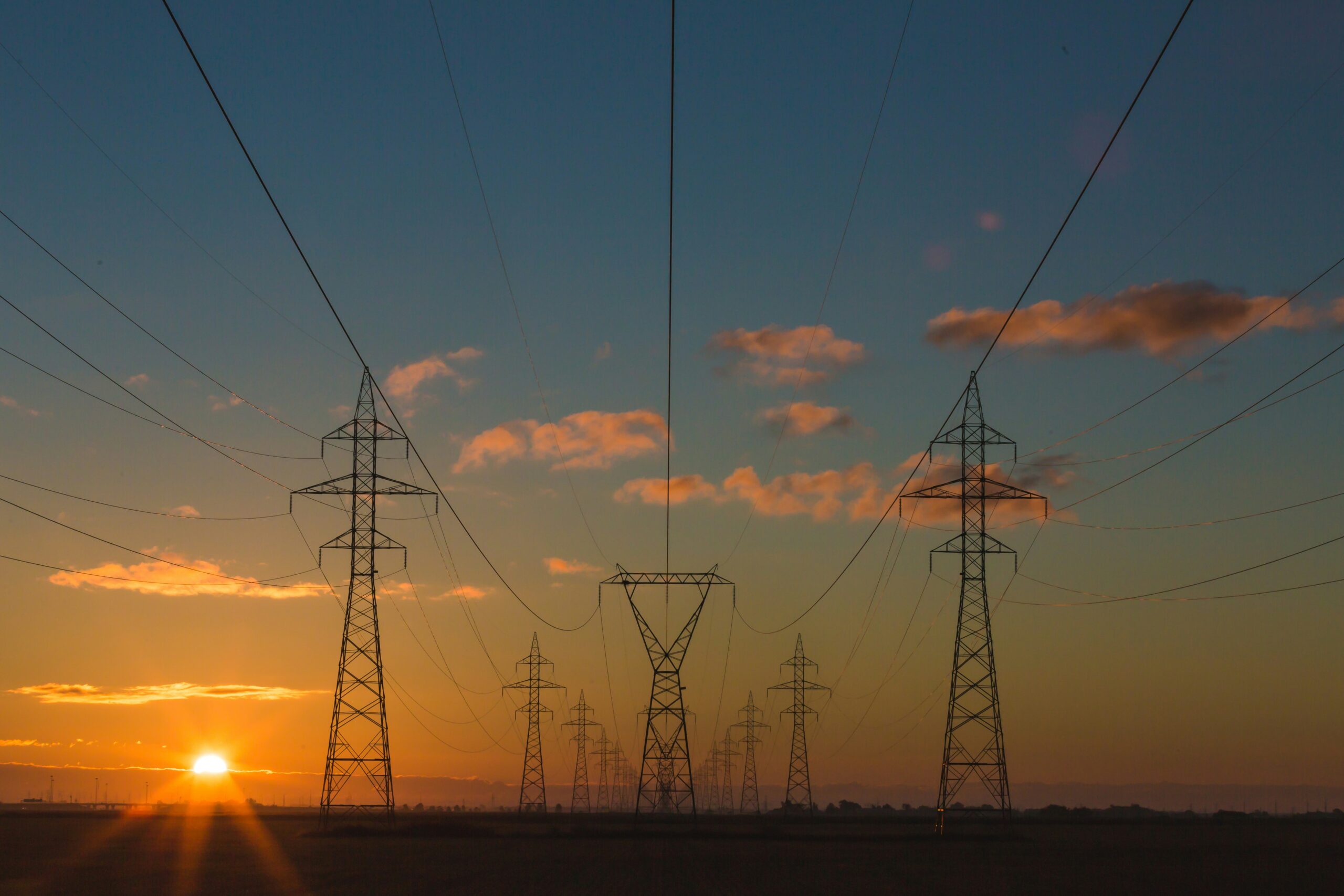
- Excess power flows back to the utility grid
- Your meter tracks the energy credits
- You use those credits when panels aren’t producing (nighttime, cloudy days)
Battery Storage: Energy Independence
Adding a battery system lets you:
- Store excess solar energy for nighttime use
- Keep power during grid outages
- Maximize self-consumption of your solar energy
- Reduce reliance on utility time-of-use rates
How Much Energy Can You Produce?
In Bakersfield, we get an average of 271 sunny days per year — one of the highest in the nation. A typical residential system:
| System Size | Annual Production | Homes Powered |
|---|---|---|
| 5 kW | ~8,500 kWh | Small home |
| 8 kW | ~13,600 kWh | Average home |
| 12 kW | ~20,400 kWh | Large home |
| 5 kW | ~8,500 kWh | Small home |
|---|---|---|
| 8 kW | ~13,600 kWh | Average home |
| 12 kW | ~20,400 kWh | Large home |
| 8 kW | ~13,600 kWh | Average home |
|---|---|---|
| 12 kW | ~20,400 kWh | Large home |
Why Bakersfield Is Perfect for Solar
- 271+ sunny days annually
- High electricity rates from PG&E make savings substantial
- Flat rooftops common in the area are ideal for panel placement
- Strong local incentives complement federal tax credits
Solar energy is the simplest way for Central Valley homeowners to take control of their electricity costs. Get your free estimate to see how much you could save.